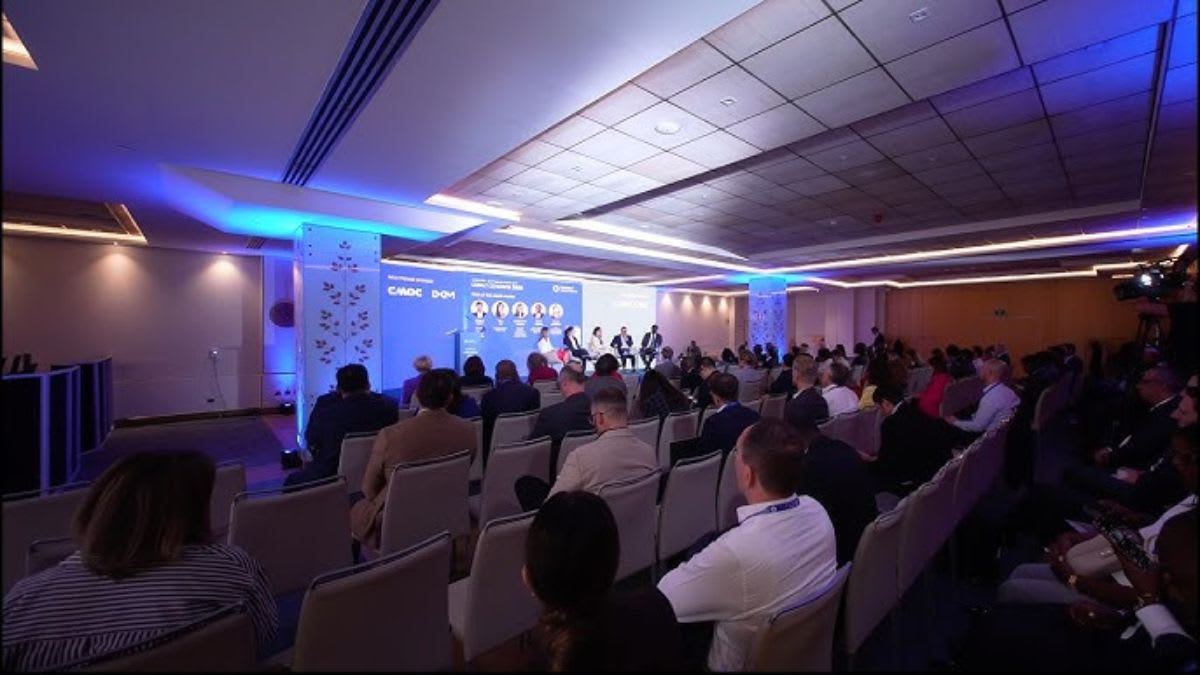
From 13 to 15 May this year, roughly 280 delegates gathered in Madrid for the Cobalt Institute's annual conference, one of the industry's largest scheduled gatherings. The host is a U.K.-based trade body. The sponsors included Glencore, IXM, and CMOC Group, three of the largest companies in the cobalt supply chain. The agenda was structured around supply outlooks, recycling, and how to keep the metal flowing as electric vehicle production scales. Most of the delegates in the room were mining executives, downstream processors, or institutions tied to the sector.
One of them was Robert Agenong'a.
Agenong'a is an Indigenous politician and civil society leader from Ituri Province in north-eastern Democratic Republic of Congo, on the Ugandan border. He had registered for the conference independently. The room was not designed to hear from him.
His argument, recorded by Mongabay's reporting from the conference, is that the cobalt boom is heading for a collapse the DRC has lived through before. Not because the mineral wealth is running out. Because the institutional layer that was meant to govern it never grew strong enough to.
"Nobody pays attention to the environmental harms, the social impacts, and the communities' grievances."
A conference that was not built to hear from Congo's communities
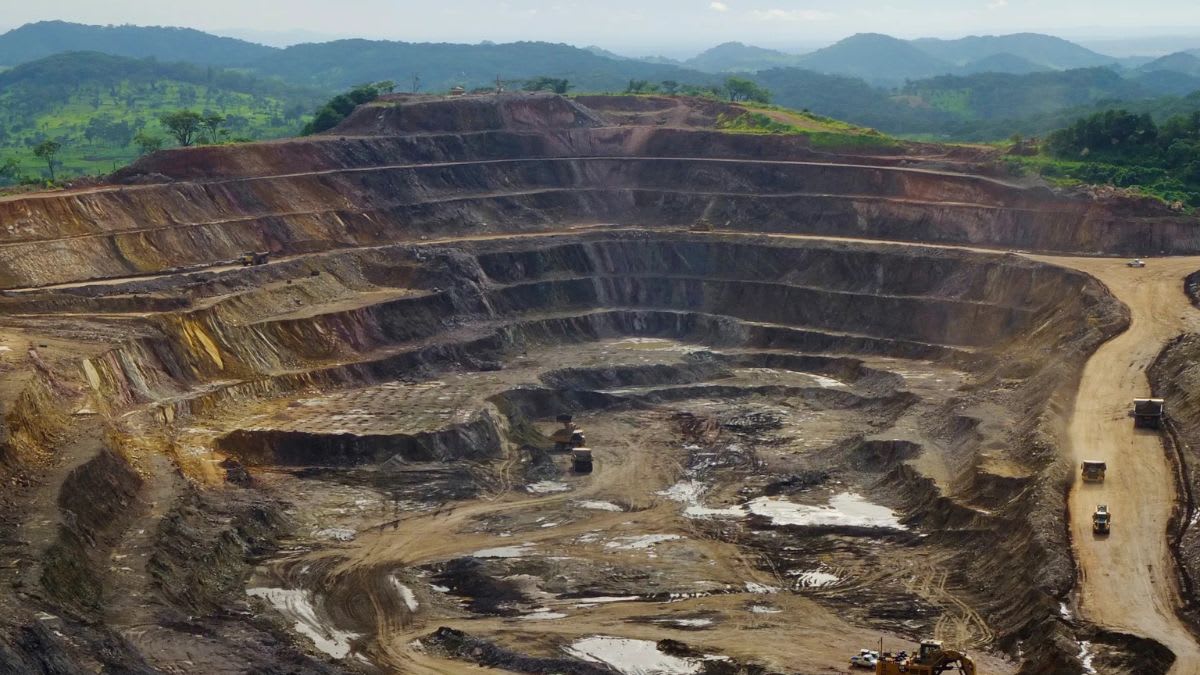
Cobalt sits in most of the lithium-ion chemistries that still dominate consumer electronics and large parts of the EV market. According to the US Geological Survey, roughly 70% of global production originates in the Democratic Republic of Congo. The country produces the mineral. It does not, in any meaningful sense, set the terms on which it is bought.
The Madrid conference is the clearest single illustration of that. The Cobalt Institute exists to represent the interests of the producers, processors, and traders in the cobalt value chain. The room is therefore not a neutral forum. It is the industry's own gathering of its own membership. A delegate from Ituri Province attending in his own capacity, without formal sponsorship, is the exception that proves the geometry of the conversation.
Agenong'a's central claim is that the same geometry holds in Kinshasa. The political weight of the multinational mining companies inside DRC governance, he argues, is materially heavier than the political weight of the institutions that are supposed to regulate them. He puts it more sharply:
"The actors in this business are well armed, even more than the government."
It is a polemical line. It is also the central insight of the trip. The state has, on paper, the regulatory authority over the cobalt sector. In practice, it does not have a comparable budget, comparable staffing, or comparable bargaining capacity. Negotiating asymmetry is the rule, not the aberration.
What "corporate capture" actually means in Kinshasa
The phrase Agenong'a uses for the pattern is corporate capture. It is the kind of phrase that gets diluted by overuse in Western policy debate, and it is worth being specific about what it describes inside the DRC.
First, the financial leverage is structural. The cobalt sector is responsible for a substantial share of DRC's foreign exchange earnings. A government dependent on that revenue does not have the freedom to write rules that meaningfully shift the cost-benefit balance against the companies generating it.
Second, the lobbying is unmatched. Industry has more lawyers, more lobbyists, more analysts, and more permanent presence in Kinshasa than the civil society organisations attempting to push back. The asymmetry compounds with every revision of the mining code.
Third, there is the conflict-of-interest layer Agenong'a names directly:
"We have politicians who are not interested in these issues because they themselves have interests in mining."
That sentence is a structural diagnosis disguised as a complaint. A regulatory regime in which a meaningful share of the regulators are themselves participants in the regulated industry does not produce enforcement. It produces accommodation.
The visible harms are documented. Environmental degradation in mining catchments. Amnesty International's 2023 investigation recorded forced evictions of communities living near four large industrial sites around Kolwezi, with inadequate compensation, destroyed farmland, and military violence including a sexual assault during one of the operations. Community grievances that, in Agenong'a's framing, are voiced and then absorbed without consequence. The supply-chain audits that are meant to catch this from the buyer side, by the framing of organisations like Global Witness, have repeatedly failed to.
The constructive move: parliament and journalism
What Agenong'a wants is more interesting than what he is against.
He is not arguing for the cobalt economy to end. He is arguing that two specific institutional layers, neither of them the visible fix, are the ones that decide whether the mineral wealth produces something durable or another resource curse cycle.
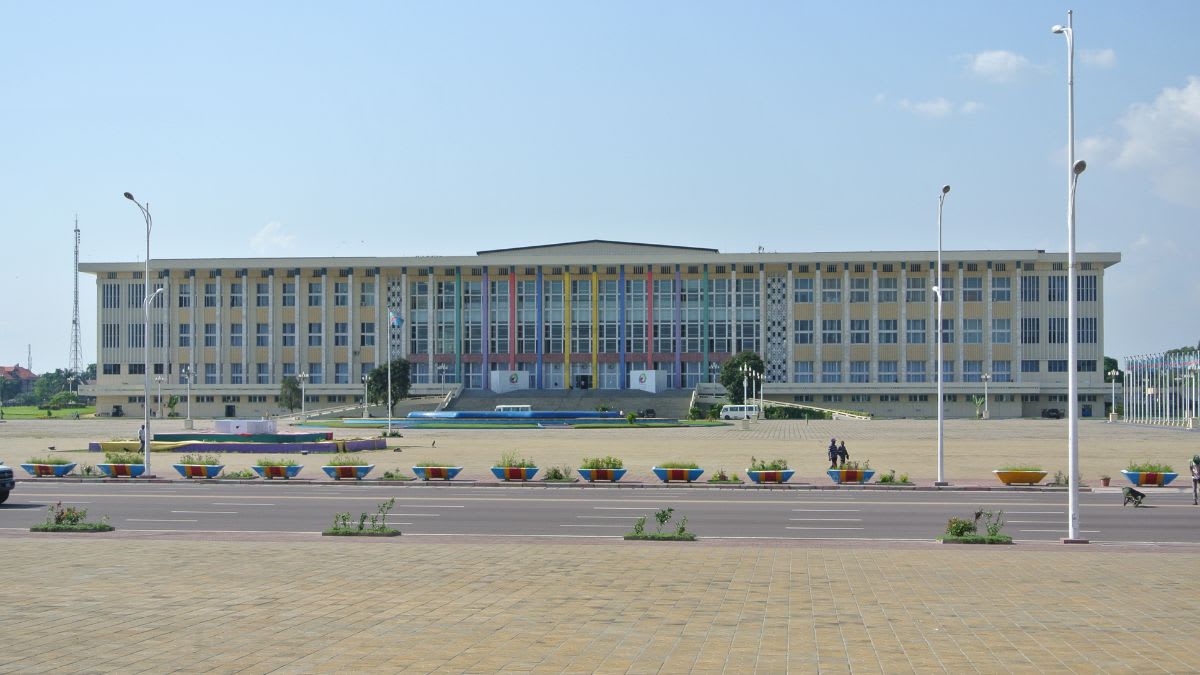
The first is parliamentary oversight. Stronger committee staffing, real technical capacity, a budget that allows independent investigations of mining contracts before they are signed rather than after they have been operative for a decade. The DRC parliament has the formal authority. It does not have the resources to use it.
The second is investigative journalism. Agenong'a names this as the weakest link in the chain, and the line in the interview that ought to make every editor pay attention:
"Investigative journalism is dying."
Without journalism, the contracts that get signed do not get scrutinised. The communities affected by them do not have advocates outside their own immediate area. The asymmetry between the companies and the state widens, because one side of the table can hire analysts and the other side cannot read the contract closely enough to know what it has given away.
What this connects to
The diagnosis is the same one we made in the piece on Kenya's stalled Microsoft and G42 data centre deal. There, the visible debate was about sovereign AI; the unspoken constraint was the grid. Here, the visible debate is about cobalt supply security; the unspoken constraint is the institutional layer that decides who writes the contract.
It is also the same shape as the original mini-grids argument. The infrastructure everyone is celebrating is not the bottleneck. The institutions around it are. Africa is not short of cobalt or megawatts or trucks. It is short, structurally, of the unglamorous layers underneath that turn a resource into a sustained gain.
The cobalt will keep coming out of Lualaba and Haut-Katanga for as long as the global energy transition wants it. Whether any of that flow translates into outcomes that survive the next political cycle in Kinshasa depends on a parliament that can read the contract, and on the kind of journalist who will read it out loud.
The mineral is the easy story. The governance is the one that decides who actually owns it.
Key facts
- The Cobalt Institute's 2026 annual conference was held in Madrid from 13 to 15 May, with roughly 280 delegates, sponsored by Glencore, IXM, and CMOC Group.
- Approximately 70% of global cobalt production originates in the Democratic Republic of Congo, per US Geological Survey data.
- Robert Agenong'a, an Indigenous politician from Ituri Province in north-eastern DRC, attended the conference as an independently registered delegate.
- Agenong'a argues the structural problem is corporate capture of governance, expressed in financial leverage, lobbying asymmetry, and conflicts of interest between politicians and the mining industry.
- His proposed remedies are stronger parliamentary oversight and revived investigative journalism, rather than new mining legislation.
- Cobalt is used in most lithium-ion battery chemistries currently in production, though LFP variants without cobalt are gaining share in EVs.
Sources
- Mongabay reporting from the Madrid cobalt conference, primary source for Agenong'a's quotes and the conference detail.
- Cobalt Institute, the U.K.-based trade body that hosted the May 2026 conference.
- US Geological Survey on cobalt statistics, source for the global production share data.
- Amnesty International, 2023 investigation into DRC cobalt and copper mining, source for documented forced evictions and military violence around Kolwezi.
- Global Witness, used for context on cobalt supply-chain audit failures.